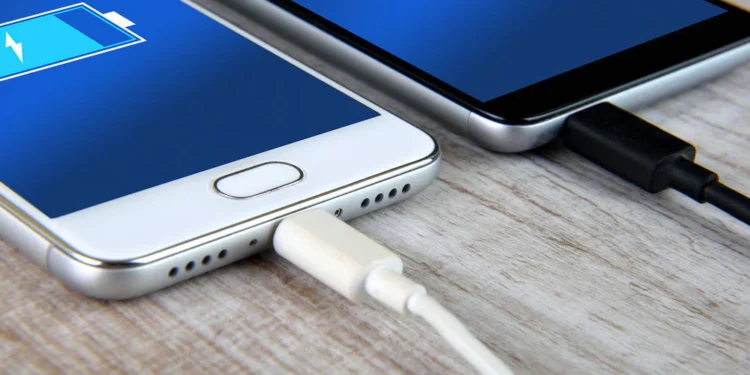
Many phone users believe charging from 0% to 100% is harmless, but this habit can shorten a battery’s lifespan. Most smartphones use lithium-ion batteries, which are sensitive to extreme charging levels. Frequently letting the battery drain completely or charging it to full capacity puts extra strain on it over time.
When a battery reaches 100%, it produces heat. Continuous exposure to heat can damage the battery cells, leading to reduced performance and faster wear. Allowing the battery to drop to 0% can also cause deep discharge, which weakens its ability to hold power.
Battery experts recommend keeping charge levels between 20% and 80%. Staying within this range reduces stress on the battery and helps maintain its capacity for longer. Charging in shorter sessions during the day is generally better than leaving the phone plugged in for long periods, especially overnight.
Using the original charger or a certified replacement is also important. Low-quality or incompatible chargers can overheat the device and affect battery health. It is also advisable to limit phone use while charging, as this increases heat buildup.
Other simple steps can also help preserve battery life, including enabling battery-saving features, reducing screen brightness, closing unused background apps, and unplugging the phone once it reaches about 80%.
Following these habits can help a phone battery stay healthier, hold a charge better, and last longer with normal daily use.