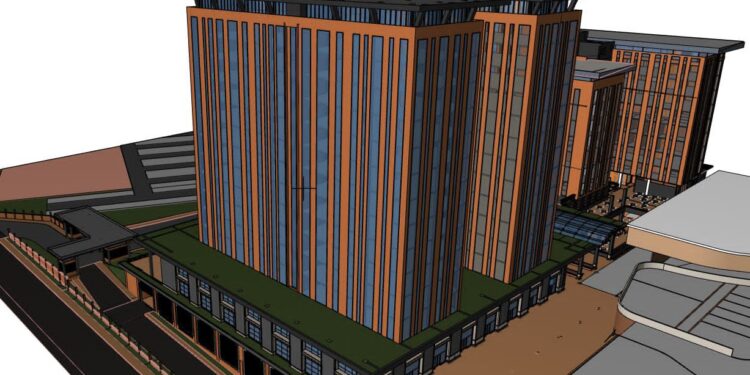
Property investor Dr. Sudhir Ruparelia has unveiled bold new architectural designs for Phase 2 of the Kingdom Kampala project, revealing plans for a striking 21-storey tower topped with a modern helipad. Sources familiar with the development say the project is actively progressing, marking an important step in Kampala’s changing skyline and sending a strong signal of confidence in Uganda’s economic future.
The newly released designs present a modern high-rise that blends smoothly with the existing Kingdom Kampala shopping complex. The tower features wide glass façades, carefully designed terraces with greenery, and a range of high-end facilities aimed at corporate and luxury users. One of the most eye-catching elements is the rooftop helipad, a feature rarely seen in privately developed buildings in Uganda, designed to meet the needs of senior executives and high-profile visitors. Although the developer has not yet made public the construction schedule or total investment cost, the size and design indicate a major financial commitment that builds on the achievements of the first phase.
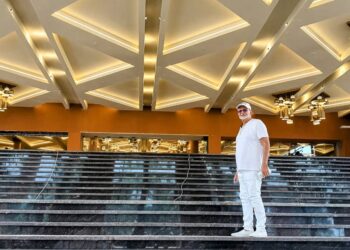
Kingdom Kampala has already become one of the most recognizable mixed-use developments in the city centre. The first phase, completed in 2019 after several years of planning and construction, introduced a modern shopping mall, spacious office floors, and large parking facilities. The project transformed a key location in the Central Business District, drawing in retailers, corporate tenants, and daily visitors, and breathing new commercial life into the surrounding area.
From the beginning, the long-term vision for Kingdom Kampala included a strong hospitality component. Over the years, Dr. Ruparelia has spoken publicly about plans to add a luxury hotel offering around 200 rooms, high-end suites, penthouses, and upscale residential apartments. Phase 2 appears to bring this vision closer to reality by expanding the complex into a fully integrated development that brings together shopping, offices, hotels, and premium living spaces. Once complete, the project is expected to function as a self-contained urban centre within the heart of Kampala.
As Kampala continues to grow rapidly, developments of this scale carry significant importance. Uganda’s economy is expected to maintain steady growth, and the real estate sector remains a major driver of employment, investment, and city renewal. The introduction of a 21-storey tower with a helipad reflects a readiness to accommodate international investors, senior business leaders, and high-end tourists. This could help Kampala strengthen its position as a regional business destination alongside cities such as Nairobi and Kigali.
Large developments like Kingdom Kampala Phase 2 also respond to the rising demand for quality office space, modern hotels, and premium facilities in a fast-expanding city. During construction, such projects create jobs and support local suppliers. Once operational, they improve the city’s appearance and functionality by concentrating multiple services in one well-planned location. While discussions around affordability and equal access remain important in a growing capital, projects of this nature often lead to broader improvements in roads, utilities, and urban services.
A local real estate analyst observed that the new tower represents more than just additional floor space. According to the expert, features such as the helipad are designed to attract high-value industries, including energy firms, regional headquarters, and technology companies, bringing fresh momentum to Kampala’s Central Business District.
For Dr. Sudhir Ruparelia, who is the founder and chairman of the Ruparelia Group, the second phase of Kingdom Kampala further strengthens his standing as one of Uganda’s most influential property developers. Over several decades, he has built a wide business portfolio covering banking, education, hotels, and real estate, consistently delivering large projects that influence how cities and business districts develop.
Recent projects such as Pearl Tower One, a 19-storey building within the Pearl Business Park, demonstrate his continued focus on high-quality, mixed-use developments. These projects have attracted strong tenants and delivered reliable returns, even as Uganda’s economy grows at an estimated rate of about five to six percent each year.
The Kingdom Kampala Phase 2 plans fit into this broader pattern of long-term investment. They reflect an approach that prioritizes local development, keeps capital invested within the country, and creates assets with lasting economic value. Over the years, Dr. Ruparelia has earned a reputation for turning ambitious ideas into real structures that contribute directly to national development.
As public interest in the designs continues to grow and more details are expected in the coming months, Phase 2 of Kingdom Kampala is set to play a major role in shaping the city’s future. Beyond changing the skyline, the project represents Kampala’s growing confidence and ambition as it positions itself more firmly on the regional and international stage.