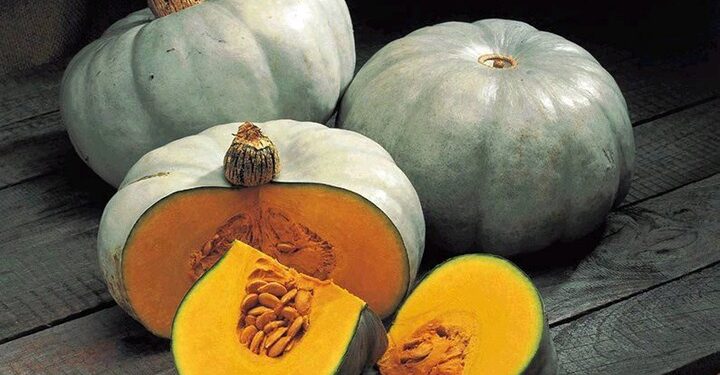
Pumpkin is one of the most nutritious vegetables that many people often overlook. It is packed with vitamins, minerals, and antioxidants that support good health. Both the flesh and the seeds offer important benefits that can help prevent and manage several health conditions.
Pumpkin is rich in vitamin A, which is essential for strong eyesight. Eating pumpkin regularly can help reduce the risk of night blindness and other eye-related problems. Its high antioxidant content also protects the eyes from damage caused by aging and harsh environmental conditions.
Another important benefit of pumpkin is its ability to support heart health. The fiber in pumpkin helps reduce cholesterol levels, which lowers the risk of heart disease. In addition, pumpkin seeds contain healthy fats and magnesium, which help regulate blood pressure and improve overall cardiovascular function.
Pumpkin is also good for people with diabetes. It has a low glycemic index, meaning it releases sugar slowly into the bloodstream. This helps control blood sugar levels and reduces the risk of sudden spikes. The nutrients in pumpkin also help improve insulin function, making it a helpful food for diabetic patients.
The vegetable is equally useful for boosting immunity. Its high vitamin C content strengthens the body’s defense system, helping it fight infections and common illnesses. Eating pumpkin can also improve digestion because of its high fiber content, which prevents constipation and keeps the digestive system healthy.
Apart from health benefits, pumpkin has many other uses. The seeds can be roasted and eaten as a snack, while the flesh can be used in soups, stews, and porridge. Pumpkin oil is also used in skincare to keep the skin soft and hydrated.
Including pumpkin in your diet is a simple way to stay healthy naturally. It is affordable, versatile, and packed with nutrients that support the body in many ways.